

Understanding Home Robots: A 2026 Overview
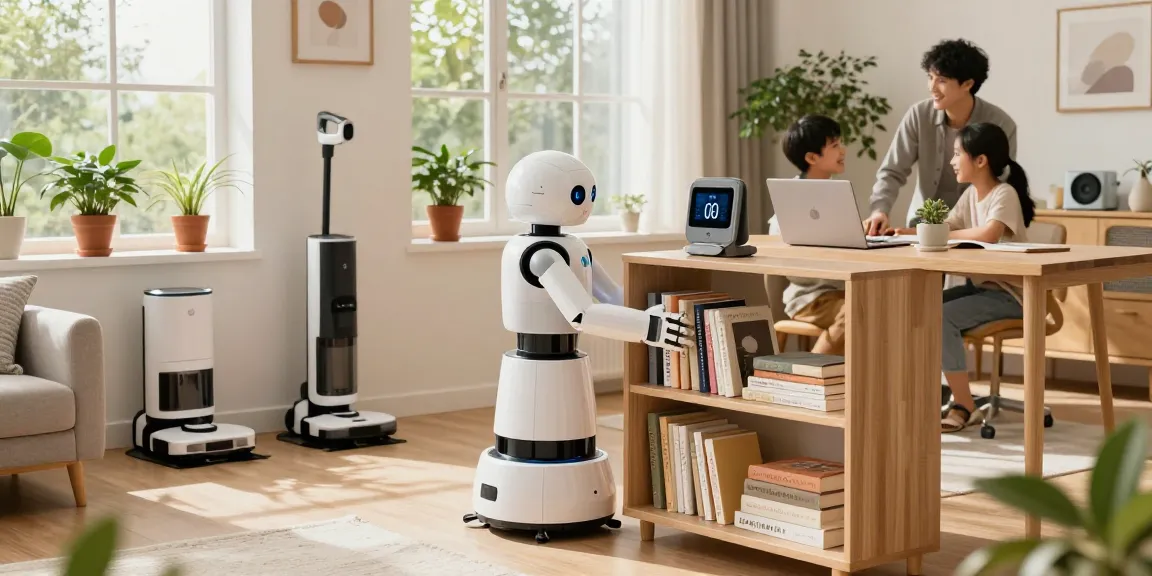
In 2026, the landscape of home robotics is rapidly evolving, driven by advancements in artificial intelligence (AI), machine learning, and automation technologies. As busy lifestyles push consumers towards seeking innovative solutions for household management, home robots are becoming increasingly popular. These devices promise not only to alleviate mundane tasks but also to enhance overall home efficiency and safety. When exploring options, home robot provide comprehensive insights into the latest technologies in this fascinating sector.
What Is a Home Robot?
A home robot is designed to perform tasks autonomously within a household setting. These tasks can range from simple chores like vacuuming and dusting to more complex activities such as meal preparation and laundry folding. Equipped with sensors, cameras, and AI-driven algorithms, these robots interact with their environment and adapt to user preferences, creating a seamless integration into daily life.
Historical Context and Evolution
The concept of home automation traces back to the early 20th century, with the invention of devices like the electric vacuum cleaner and washing machine. However, the true evolution began in the late 20th century when robotics technology advanced significantly. The introduction of robotic vacuum cleaners, such as Roomba in 2002, marked a pivotal moment in home automation, paving the way for more sophisticated home robots.
The Technology Behind Home Robots
Modern home robots utilize a combination of hardware and software technologies that include AI for decision-making, machine learning for personalization, and advanced sensors for navigation. These robots often employ computer vision to recognize objects and understand their surroundings, while various communication protocols allow for integration with smart home ecosystems.
Key Features of Modern Home Robots
Task Automation and Convenience
Task automation is at the core of what home robots deliver. With features like scheduling and remote operation, users can set their robots to clean or perform tasks even when they are away. This convenience not only saves time but also allows for a cleaner and more organized living environment.
AI and Machine Learning Enhancements
AI and machine learning play crucial roles in enhancing robot functionality. For instance, robots can learn the layout of a home over time, improving their efficiency and effectiveness in performing tasks. They can also adapt their schedules based on user habits and preferences, tailoring their performance to fit seamlessly into the household routine.
Safety and User Interaction
Safety features are becoming increasingly important in home robotics. Many models now include obstacle detection, emergency shut-off mechanisms, and child safety locks. Furthermore, advancements in user interfaces, such as voice command capabilities and mobile app controls, enhance user interaction, making it easier to manage robots.
Choosing the Right Home Robot for Your Needs
Assessing Your Household Requirements
Before investing in a home robot, it’s essential to assess your household’s specific needs. Consider factors like the size of your home, the types of tasks you wish to automate, and any specific requirements for pets or children. This assessment will guide you in selecting a model that best aligns with your household dynamics.
Comparative Analysis of Leading Models
Numerous brands compete in the home robot market, each offering unique features. When comparing models, look for attributes such as battery life, range of tasks, and user reviews. For instance, some robots may excel at vacuuming but underperform in other areas, while others might offer multi-function capabilities that appeal to a broader audience.
Cost Considerations and Budgeting
The cost of home robots can vary significantly, typically ranging from a few hundred to several thousand dollars. Budgeting for a home robot should include potential additional costs, such as maintenance, software updates, and accessories. It’s advisable to consider whether investing in a high-end model with more features is worth the price compared to more basic options.
Integrating Home Robots into Your Lifestyle
Setting Up Your Home Robot
Once you’ve selected a home robot, setting it up is the next step. Most models come with user-friendly setup guides and apps that assist with initial configurations. Ensure that the robot’s charging station is placed in an accessible location, and any necessary software updates are completed before starting its regular use.
Maximizing Efficiency and Productivity
To maximize the benefits of your home robot, establish a routine that incorporates its use. Schedule cleaning tasks during times when you are away from home, or utilize remote control features to manage the robot in real-time. An efficient integration can lead to significant time savings and a more streamlined household environment.
Common Challenges and Solutions
While home robots provide many benefits, they can also present challenges such as connectivity issues, maintenance needs, and initial learning curves. Addressing these challenges often involves regular software updates, periodic cleaning of sensors and brushes, and familiarizing yourself with the robot’s functionalities through the user manual or online tutorials.
The Future of Home Robots: Trends to Watch
Innovations Expected in 2026 and Beyond
As technology continues to evolve, we can expect home robots to become even more sophisticated. Innovations such as improved AI capabilities, better energy efficiency, and enhanced user interfaces will likely dominate the market. Future models will likely feature increased autonomy, enabling them to handle more complex tasks with minimal human intervention.
Impact on Daily Life and Household Management
The integration of home robots is set to revolutionize daily life and household management. With improved automation, households will experience less manual labor, leading to more free time for family and leisure activities. Additionally, robots may play vital roles in elderly care and support, enhancing the quality of life for many.
Predictions for Market Growth and Adoption
Market analysts predict robust growth in the home robot sector, with a significant increase in adoption rates. As costs continue to decrease and functionality improves, more households will likely embrace robot assistants, transforming them from luxury items to essential components of modern living.
What Tasks Can Home Robots Perform?
Home robots are designed to perform a variety of tasks, including:
- Vacuuming and sweeping floors
- Washing and drying dishes
- Preparing and cooking meals
- Folding laundry
- Monitoring home security
- Watering plants
How Much Should I Expect to Pay?
The price of home robots can vary widely based on features and capabilities. Basic models may start at around $250, while more advanced systems that offer multifunctionality can exceed $1,500. It’s crucial to consider your specific needs against your budget before making a purchase.
Are Home Robots Safe for Children and Pets?
Most modern home robots are designed with safety features to protect children and pets. These may include object detection and emergency stop capabilities. However, supervision is advised when introducing a new robot into a home to ensure that it interacts safely with other household members.
Can I Control My Home Robot Remotely?
Yes, many home robots come equipped with mobile apps that allow for remote control and monitoring. This feature enables users to schedule tasks, check the robot’s status, and even view live feeds from built-in cameras when applicable.
Will Home Robots Replace Human Helpers?
While home robots can perform many tasks traditionally done by human helpers, they are unlikely to completely replace them. Instead, they are expected to complement human effort, particularly in households where people may benefit from additional support due to busy lifestyles or physical limitations.